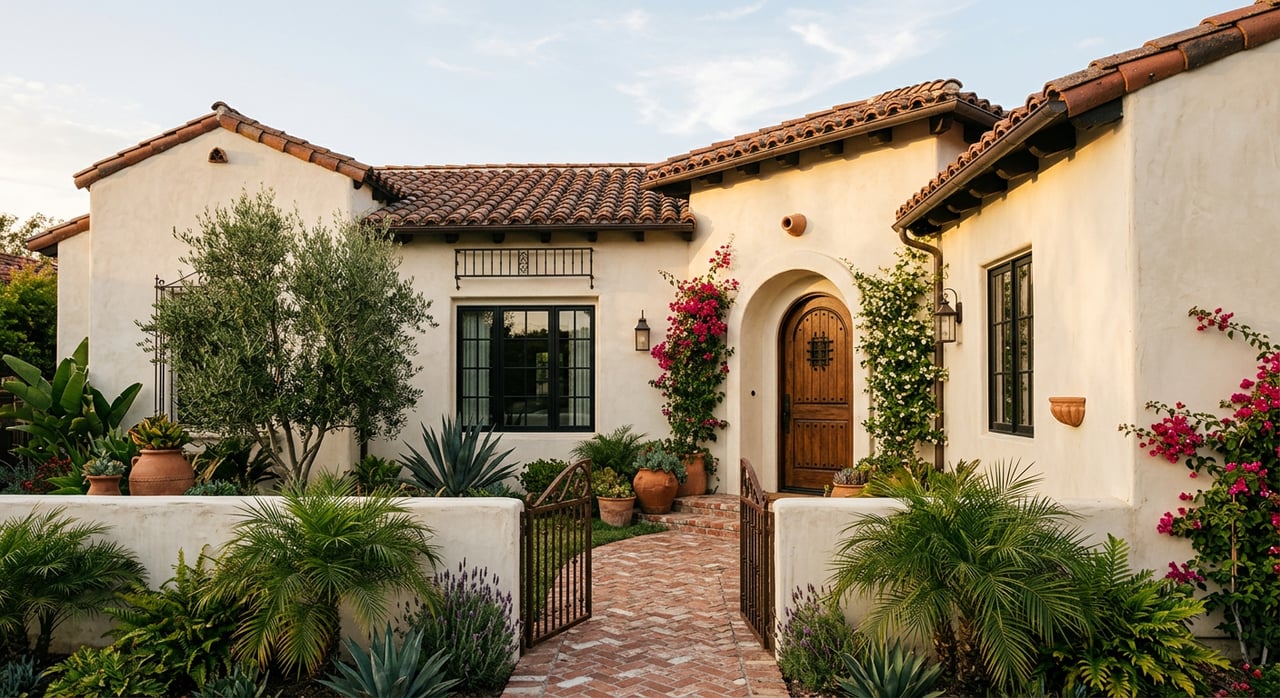
You are drawn to sunlit arches, oak-shaded streets and the craftsmanship you can only find in older homes. If West Palm Beach’s historic districts are on your shortlist, you are in good company. With character comes a few extra steps, from permits to maintenance decisions. In this overview, you will learn how the local rules work, what tradeoffs to expect, and which districts to visit first. Let’s dive in.
What “historic” means in West Palm Beach
Buying in a locally designated historic district adds predictability to neighborhood character and an extra review step when you change the exterior. The city’s Historic Preservation Program oversees exterior work on designated and contributing properties through a Certificate of Appropriateness, or COA.
COA review at a glance
- Exterior changes that alter visible appearance need approval. That includes roofs, windows, siding, additions, driveways and fences. Routine maintenance and minor repairs that do not require a permit typically do not need a COA.
- Smaller projects often get staff-level review to keep things moving. Large additions and demolitions go to the Historic Preservation Board.
- The city publishes design guidelines to help you plan materials and details that fit the district. Budget time and, if needed, design fees into your renovation timeline.
Local tax incentive you should know
West Palm Beach offers an Ad Valorem Tax Exemption program that can exempt up to 100% of the assessed value increase caused by approved rehabilitation work for up to ten years. Key points:
- Apply before construction. Pre-approval by the Historic Preservation Board is required prior to starting work.
- Complete the approved improvements within about two years and follow the Secretary of the Interior’s Standards for Rehabilitation.
- This program can help offset short-term tax impacts if you plan substantial, code-compliant renovations.
About federal credits
A separate federal Historic Rehabilitation Tax Credit of 20 percent can apply to qualifying income-producing historic properties. Owner-occupied single-family homes are generally ineligible. If you plan to rent or use a property for commercial purposes, the federal program requires a certification process and adherence to the Secretary’s Standards.
Top historic neighborhoods to explore
Below are four districts many buyers prioritize. Each section links to the official National Register of Historic Places nomination for style and history details, plus a city map for exact boundaries. Price positioning is based on recent snapshots and can shift quickly with small sample sizes, waterfront premiums and renovation levels. Always confirm with current MLS data when you are ready to write an offer.
El Cid
- Architectural character: High-style Mediterranean Revival and Spanish Mission houses, often two stories with stucco walls and tile roofs. See the El Cid National Register nomination for a full description.
- Setting and lifestyle: About a mile south of downtown along South Flagler Drive with Intracoastal frontage. Proximity to Palm Beach and the waterfront draws boaters and buyers who want coastal access. View exact boundaries on the city’s interactive historic district map for El Cid.
- Price positioning: Consistently at the top of the single-family market in West Palm Beach. Waterfront and renovated properties can command a premium. Verify live comps before you bid.
- Renovation notes: Stucco and clay tile roof systems are common. The city favors in-kind repair or replacement for these visible materials and discourages incompatible modern substitutes. Expect specialty trades and longer lead times for matching tiles and details.
Flamingo Park
- Architectural character: Mediterranean and Mission Revival interpretations mix with bungalows and frame vernacular homes from the 1920s to 1940s. See the Flamingo Park National Register nomination.
- Setting and lifestyle: Tree-lined streets near Howard Park and Antique Row. You are a short bike ride or drive to downtown amenities. Confirm district edges on the city’s historic map for Flamingo Park.
- Price positioning: Often high but below the top waterfront pockets. Recent neighborhood snapshots showed median prices in the high six to low seven figures. Renovation scope, lot size and proximity to amenities drive variation.
- Renovation notes: Many homes feature stucco walls and tile roofs. Expect the city to encourage repair of original wood windows when feasible and to review visible exterior changes for compatibility.
Old Northwood
- Architectural character: A blend of Mediterranean Revival, Craftsman bungalows and early revival styles. The Old Northwood National Register nomination outlines its long period of significance and strong concentration of contributing homes.
- Setting and lifestyle: North of downtown near the walkable Northwood Village area with cafes and galleries. See the city’s map for Old Northwood boundaries.
- Price positioning: Renovated homes often land in the mid to upper six figures and up into the low seven figures. Month-to-month medians can swing with small sample sizes.
- Renovation notes: Many properties were built on older foundations and can need system upgrades for electrical, plumbing and moisture control. Historic porches and windows are key features the city seeks to preserve.
Grandview Heights
- Architectural character: Craftsman and Bungalow styles with Colonial, Mission and Mediterranean Revival influences typical of the 1920s land boom. See the Grandview Heights National Register materials.
- Setting and lifestyle: Close to downtown in the 33401 area with a cohesive neighborhood feel and strong access to cultural and dining options. Use the city’s map for Grandview Heights to review the exact district lines.
- Price positioning: Demand tends to be strong for well-located, renovated homes near downtown. Prices vary by condition and lot characteristics.
- Renovation notes: Expect staff to prioritize compatible exterior materials and details. Repair first is often the preferred path for windows and decorative elements.
Renovation and maintenance realities
Historic homes reward care but need thoughtful planning. In West Palm Beach, the most common budget items include roofs, stucco, older wood elements, and mechanical systems.
- Roofs and stucco: Original tile and flat roofs can require specialized repair, and stucco finishes weather under Florida sun and salt air. Plan for qualified roof and stucco contractors.
- Windows and energy: Preservation best practices often favor repairing original wood windows. Energy upgrades can include storm panels or interior storms that keep the exterior look intact.
- Systems and structure: Many older homes need electrical, plumbing and moisture mitigation updates. Wood-destroying organism inspections are essential in a humid climate.
- Wind and code: All exterior work must meet applicable structural and wind-mitigation code. If the building is contributing and historic, some energy-code items may have limited exemptions, but safety and wind provisions still apply.
- Flood and insurance: Several historic neighborhoods sit near the Intracoastal or low-lying areas. Confirm FEMA flood zones and ask for an elevation certificate if available. If the property sits in a high-risk zone, lenders often require flood insurance, which can impact carrying costs. Insurers may offer savings for wind-mitigation upgrades like improved roof attachments or impact-rated openings. Start insurance conversations early.
Your 10-minute buyer checklist
Use this quick list as you consider making an offer on a historic home:
- Confirm designation: Check if the property is individually designated or contributing within a local district using the city’s interactive map.
- Call the city early: Speak with the City Historic Preservation Planner about your planned changes and whether a COA is needed. Ask how long reviews are running for your project type.
- Validate pricing: Pull current MLS comps. Neighborhood medians can shift with small samples and renovation levels.
- Get full inspections: Include roof, HVAC, electrical, plumbing and a wood-destroying organism report. If waterfront or low elevation, request an elevation certificate and evaluate docks or seawalls.
- Review permits: Ask the seller for prior COAs, closed permits and contractor invoices. This helps future COA reviews and supports eligibility for the local tax exemption.
- Model the tax benefit: If you plan a substantial rehab, prepare the Ad Valorem pre-application before work starts to preserve eligibility.
- Consider federal credits: If the property will be income-producing, ask your tax advisor about the 20 percent federal rehabilitation credit and the certification process.
How to pick your best-fit district
Start with lifestyle and geography. If you want waterfront proximity and top-tier architecture, El Cid should be on your tour list. If you want a walkable, neighborhood feel near downtown amenities, put Flamingo Park, Grandview Heights and Old Northwood on the same day’s route. Next, calibrate your renovation appetite. Tile roofs, stucco repairs and original wood windows are part of the charm and the maintenance plan. Finally, check carrying costs. Flood zones, insurance, and project timelines can all affect your budget.
When you are ready to see homes, you deserve a guide who knows the streets, the review process and the practical steps that keep your timeline on track. If you want education-first advice, real-time market context and white-glove coordination from first showing to close, connect with Evan Sophir.
FAQs
What does a historic district designation regulate in West Palm Beach?
- The city reviews exterior changes to designated and contributing properties through a COA, including roofs, windows, additions, driveways and fences; routine non-permit maintenance usually does not require approval.
How does the local Ad Valorem Tax Exemption work for renovations?
- If you secure pre-approval before work and complete approved improvements within the timeline, the city can exempt up to 100% of the assessed value increase from approved rehab for up to ten years.
Can I use the federal 20 percent historic tax credit on a house I live in?
- Generally no; the federal credit applies to certified rehabilitations of income-producing historic properties, not owner-occupied single-family homes.
Do historic homes in West Palm Beach cost more to insure?
- Premiums depend on roof age, wind-mitigation features, flood zone, claims history and insurer guidelines; some buyers reduce wind premiums with upgrades like impact-rated openings and improved roof attachments.
What maintenance issues are most common with older West Palm Beach homes?
- Roofs, stucco weathering, wood window repair, and updates to electrical and plumbing are typical; moisture control and termite prevention are also key in Florida’s climate.