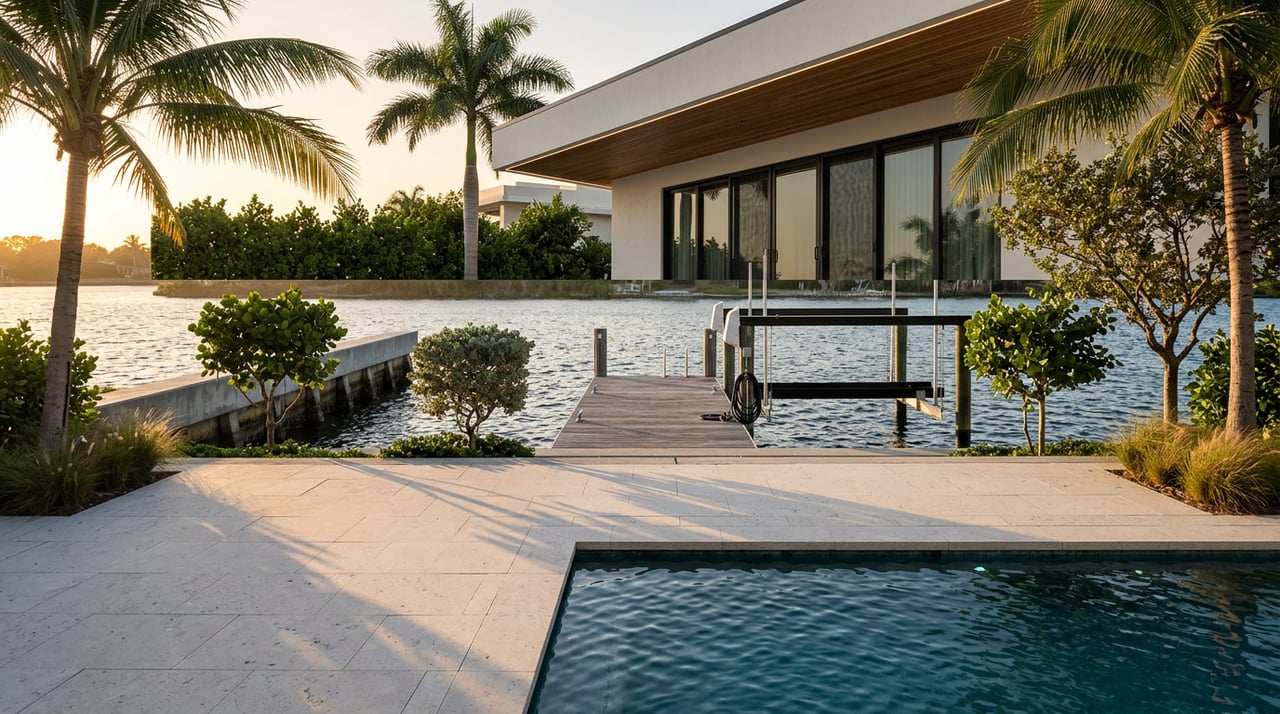
Dreaming of a Stuart waterfront home but not sure whether riverfront or ocean‑access is the better fit for your lifestyle and boat? You are not alone. The Treasure Coast offers two very different waterfront experiences within a few miles. Choosing well can upgrade your daily routine, boating days and long‑term value. In this guide, you will learn how the two options compare on navigation, water conditions, maintenance, permitting and costs so you can buy with confidence. Let’s dive in.
Stuart waterfront at a glance
Stuart sits where the St. Lucie River meets the Indian River Lagoon, with Hutchinson Island as the ocean‑side barrier island. In local terms:
- Riverfront usually refers to property on the St. Lucie River or Intracoastal. Water is more sheltered and calmer, which is great for small boats, paddlecraft and dockside entertaining.
- Ocean‑access usually means homes on Hutchinson Island or on canals with a direct, no‑bridge run to the St. Lucie Inlet. These locations offer the fastest route to offshore fishing and the Atlantic. You can see this proximity in communities near the inlet like Sailfish Point’s location overview.
Local marinas also highlight how close some slips are to open water. For example, Sailfish Marina of Stuart markets quick access to the inlet and offshore runs. Your actual time varies by slip location and boat speed, but the theme is clear. If offshore is your priority, inlet‑side is a time saver.
Boating and navigation: match the home to your boat
Buying on the water starts with your boat’s profile. Draft, beam and air‑draft determine everything from which bridges you can clear to how comfortably you can ride out wind chop at your dock.
Bridge clearances you need to know
- Roosevelt Bridge high span on US‑1 is a fixed high span with roughly 62 to 65 feet of vertical clearance. Tall sailboat masts and flybridge yachts can usually pass without an opening, according to this Indian River Lagoon reference.
- Old Roosevelt, also called the Dixie Highway bascule bridge, offers about 14 feet of clearance when closed and opens on request. Tall masts need an opening.
- The Florida East Coast railroad bascule bridge near downtown has very low closed clearance, about 7 feet, and special operating rules. It is typically open to navigation except during train traffic. Timing matters since bridge operations can interact. Check the Waterway Guide’s bridge page before you plan passages.
If you sail, properties that let you run under fixed high spans without a request are ideal. Power boaters with lower air‑draft have more options and fewer delays.
Depths: “deep water” vs “shallow” in practice
In recreational terms, local “deep water” often means approach channels and marinas that hold 8 to 12 feet or more at normal tides, which accommodates larger power yachts and many sportfishers. By contrast, some river coves and side canals can shoal to only a few feet at low tide. Local cruising notes report spots with controlling depths around 4 to 4.5 feet, so draft planning and staying in the marked channel are essential. For examples of reported shallow areas, review the ICW notes that flag shoaling near Manatee Pocket and approaches to Port Salerno on this cruising log resource.
To translate that into boat terms, many modern 30 to 36 foot powerboats draw about 2.5 to 4 feet, while typical keel sailboats of 30 to 45 feet often draw 4 to 7 feet or more. You can see a representative spec, like the Boston Whaler 350 Outrage with around a 24.5 inch draft, on this Boattest page. Always confirm your boat’s exact draft and then verify approach depths where you plan to keep it.
Inlet access and time to open water
If you want offshore days with minimal delay, ocean‑access homes near the St. Lucie Inlet are hard to beat. Several marinas and communities note that the Atlantic is just minutes away depending on slip and boat speed. If you plan to fish the Gulf Stream or make frequent Bahamas runs, consider inlet‑side locations near facilities like Sailfish Marina of Stuart. For riverfront buyers, travel time varies with speed and bridge schedules, which is fine for casual cruising and sandbar days.
Charts and channel changes
Shoaling patterns can change quickly after storms. Before you buy or move a larger vessel, review NOAA charts for the Okeechobee Waterway and the Stuart reach, and check recent notices to mariners. A good starting point is this NOAA chart coverage reference. When in doubt, call the closest marina for current soundings.
Lifestyle: how each waterfront “feels” day to day
- Riverfront living feels calm and social. Water is typically lower energy, which is great for kids learning to paddle, quiet morning coffees on the dock and evening cruises. If you love kayaks, paddleboards and hosting dockside dinners, the river often delivers.
- Ocean‑access living feels fast and connected to the Atlantic. If bluewater fishing, quick offshore dives or sunrise runs to the reef define your weekends, inlet‑adjacent homes or no‑bridge canals on Hutchinson Island will likely fit you best.
Both deliver signature Stuart moments, from manatee sightings to golden‑hour skyline views of the bridges. The right choice is the one that aligns with how you plan to use the water most often.
Costs and market context: how access maps to value
In Stuart and the immediate Martin County waterfront, directness of ocean access, controlling depth at your dock, and slip or boatlift rights are major value drivers. As a rule of thumb:
- Ocean‑access homes near the inlet and on Hutchinson Island, especially in amenity‑rich communities, trade at a premium because of speed to the Atlantic and limited supply.
- Riverfront single‑family homes on wide water with deep water docks also command strong prices, especially where there are no fixed‑bridge limits on air‑draft.
- Canal condos and smaller riverfront units without deeded slips or with limited slip capacity tend to be more accessible price points, with a sizable range depending on building age, views and whether a lift or deeded slip conveys.
Waterfront pricing is always address‑specific. Depth, distance to the inlet, bridge restrictions, seawall condition, elevation, and HOA rules can shift value. Your best move is to analyze true water‑type comparables, not just “waterfront” in general.
Permits, insurance and upkeep: the practical side
Waterfront’s magic comes with added due diligence. A clean file on docks, shoreline and flood factors protects your value and your time on the water.
Dock permits and what you can build
Docks, piers and dredging are regulated by federal and state agencies. The U.S. Army Corps of Engineers Jacksonville District issues permits for marinas, docks and related work. Some general permits cap private residential dock scope, like limits on the number of motorized vessels under certain regional permits. Review the Corps’ guidance in this USACE permit notice, then coordinate with the Florida Department of Environmental Protection and Martin County for local approvals. Shoreline protection and manatee protection plans can affect design, timing and mitigation.
Flood, wind and insurance planning
Much of Stuart’s waterfront lies within FEMA Special Flood Hazard Areas, and lenders typically require flood insurance in those zones. Premiums are driven by your flood zone and elevation, so ask for the latest Elevation Certificate and review county maps before you write an offer. Martin County’s map resources are a solid starting point for parcel research, accessible from the county’s map and GIS search. Get quotes for homeowners, flood and wind coverage early to understand your total monthly cost.
Maintenance and dredging
Shallow canals and some riverfront approaches may require periodic dredging. In many communities, owners or HOAs share costs for channel work. Ask for dredging history, any planned maintenance and who pays. USACE public notices routinely cover local marina dredging, which can inform timing and expectations.
Water quality and seasonality: what to expect
The St. Lucie River and the Indian River Lagoon are beautiful ecosystems, but water clarity and quality vary by season and discharge conditions. There have been historic summers with harmful algal blooms and seagrass losses reported regionally. Large restoration efforts are underway to improve long‑term outcomes, including the C‑44 Reservoir and Stormwater Treatment Area that aims to reduce harmful freshwater and nutrient discharges to the estuary. You can learn more about that project from the South Florida Water Management District’s update.
Takeaway: plan for seasonal changes and ask about recent local conditions. If your dream is clear‑water paddleboarding year‑round, set realistic expectations and confirm how your specific stretch of water behaves through the seasons.
Buyer checklist: what to confirm before you buy
Use this quick due diligence list on showings and during inspections:
Boat profile and fit
- Know your boat’s LOA, beam, draft and air‑draft. Match them to the property’s dock and approach channel. Measure air‑draft against key clearances like the Roosevelt high span around 62 to 65 feet and the local drawbridges near 14 feet and 7 feet when closed. Find the high‑span reference on the Indian River Lagoon bridge guide.
Channels and seasonality
- Ask nearby marinas for the latest soundings and shoaling reports. Local notes have flagged controlling depths around 4 to 4.5 feet in some side channels. See examples on this ICW cruising log.
Slip rights and HOA rules
- Confirm deeded slip or assignment, boatlift rights, guest moorage and any rental restrictions. USACE and county permits can cap slip counts and configurations. Review permit history and ask for any recorded agreements. The USACE regional permit summary is a good primer.
Water quality and local projects
- Ask sellers or managers about prior algal blooms, freshwater discharges and nearby infrastructure. The C‑44 Reservoir and STA are part of a larger restoration picture, summarized in this SFWMD project overview.
Flood and insurance
- Request an Elevation Certificate if available, check the parcel’s flood zone on county resources, and secure quotes for homeowners, flood and wind coverage. Start with the county’s map search and your insurance advisor.
Bridge and schedule constraints if you sail
- If you have a tall mast, prefer routes where you can pass under fixed high spans without waiting, and understand how the FEC rail bridge operates. The Waterway Guide page outlines current procedures.
Marina services and capacity
- If you plan to rely on a nearby marina for fuel, pump‑out or haul‑out, confirm travel‑lift capacity and seasonal demand. A local example is MarineMax Stuart’s marina page, helpful for service planning.
Market comps and timing
- Waterfront premiums are highly specific to depth, distance to inlet, bridge limits, seawall condition and slip rights. Use fresh, water‑type comps and a local broker who can segment riverfront versus ocean‑access sales.
Which waterfront is right for you?
Choose riverfront if you want calmer water at the dock, frequent paddle sessions, easy evening cruises and a relaxed social setting. Your boating is mostly inshore, and occasional bridge openings are no problem.
Choose ocean‑access if you live for offshore runs, want the shortest hop to the Atlantic and prefer a no‑bridge route. You are comfortable with inlet conditions and value speed to deep water.
Both choices can be excellent long‑term holds when the dock, depth, permits and insurance all line up. If you are torn, tour a few homes of each type and take a quick boat ride from each location. You will feel the difference in minutes.
Ready to compare specific properties, slip rights and approach depths with a local, media‑enabled advisor who covers Martin County and the Treasure Coast? Reach out to Evan Sophir to request a Free Market Strategy & Media Plan and see on‑water options that match your lifestyle.
FAQs
What is the main difference between Stuart riverfront and ocean‑access homes?
- Riverfront sits on the St. Lucie River or Intracoastal with calmer, more sheltered water. Ocean‑access is typically on Hutchinson Island or no‑bridge canals near the inlet for faster runs to the Atlantic.
Which Stuart bridges affect sailboat masts and taller boats?
- The fixed Roosevelt high span offers about 62 to 65 feet of clearance, while nearby bascules offer about 14 feet and 7 feet when closed. The FEC rail bridge operates with train traffic, so timing matters.
How do I know if a property’s approach is deep enough for my boat?
- Confirm your draft, then verify approach depths with the closest marina and recent soundings. Some side channels can shoal to about 4 to 4.5 feet at low tide, so staying in marked channels is key.
Are docks and boatlifts easy to permit in Martin County?
- It depends on location, seagrass, manatee protection zones and prior permits. Coordinate early with USACE, FDEP and the county. Some general permits limit scope for private docks.
Do Stuart waterfront homes require flood insurance?
- Many do, since much of the waterfront is in FEMA Special Flood Hazard Areas. Your lender may require it, and premiums depend on elevation and flood zone. Ask for the Elevation Certificate and review county maps.
What should I budget for waterfront maintenance like dredging?
- Costs vary by canal and community. Some HOAs share dredging expenses, and schedules depend on shoaling. Ask for dredging history, upcoming projects and who pays before you buy.