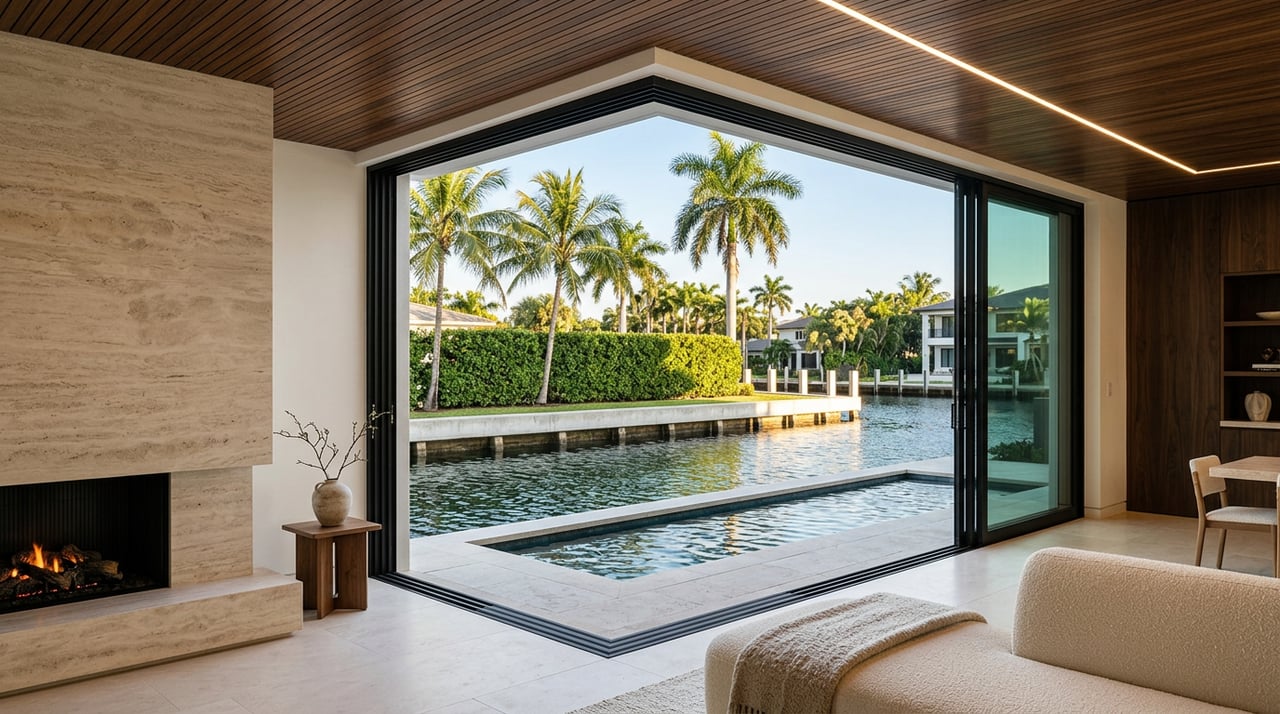
Love the water? In Fort Lauderdale, you can choose a home where boats pass your backyard, a condo with ocean views, or a walkable neighborhood steps from the Intracoastal. Each option offers a different rhythm, cost, and daily routine. This guide breaks down the lifestyles, boating realities, flood and seawall basics, and budget signals so you can pick the right fit with confidence. Let’s dive in.
Why Fort Lauderdale is built for water living
Fort Lauderdale is often called the “Venice of America,” and for good reason. The city reports about 165 miles of waterways that weave through neighborhoods and anchor local life. You see that scale at every turn, from canal-front homes to marinas and the riverfront. You also feel it during the Fort Lauderdale International Boat Show, the world’s largest in‑water event, and in the region’s deep yachting culture and marina network.
Pick your waterfront lifestyle
True waterfront single‑family
If you want a private dock and direct canal access, a true waterfront home delivers it. Many properties include a seawall, lift, and quick access to the Intracoastal and inlet. Popular areas include the Las Olas isles, parts of Rio Vista, Seven Isles, and Harbor Beach.
Pros:
- Immediate boating from your backyard
- Privacy, outdoor living, and long water views
- Control over your dock setup and small‑boat storage
Cons:
- Higher purchase price and ongoing seawall/dock upkeep
- Permits, inspections, and possible code‑triggered upgrades on repairs
- Canal width, depth, and bridge clearances can limit boat size
Buyer tip: ask a marine contractor to verify canal depth, turning radius, and bridge heights for your boat. Fort Lauderdale’s seawall and tidal‑barrier rules can affect repair plans and costs. Review the city’s ordinance early in due diligence.
Waterfront condos
If you prefer views and amenities without yard work, a waterfront condo can be ideal. You’ll find towers along Fort Lauderdale Beach, the Intracoastal, and near Las Olas. Many offer pools, gyms, valet, and security, and some include or coordinate access to marina slips.
Pros:
- Lower maintenance; HOA handles common systems
- Lock‑and‑leave convenience for seasonal living
- Resort‑style amenities and coastal views
Cons:
- HOA dues and possible special assessments
- Rules on dockage, storage, and renovations
- Deeded slips are not guaranteed; waitlists are common
Buyer tip: confirm whether a unit has a deeded slip, access to a community slip, or a separate marina agreement. Check nearby full‑service options like Bahia Mar Yachting Center if you plan to berth a larger yacht.
Inland near‑water neighborhoods
You can live close to the water without paying for a dock in your backyard. Areas near the New River and Middle River, parts of Coral Ridge and Victoria Park, and downtown/Las Olas offer quick access to parks, dining, and the waterfront. Many residents use nearby marinas or public slips for boating.
Pros:
- More attainable prices than direct waterfront
- Strong walkability in select areas and easy beach access
- Access to dining, arts, and events around Las Olas and Riverwalk
Cons:
- No private dock at home
- Marina slip fees if you own a boat
- Busier corridors near the beach and downtown
Local perk: the Water Taxi connects neighborhoods along the New River and Intracoastal, making dinner and beach trips simple without driving.
Boating and marinas: how it really works
Greater Fort Lauderdale functions as a global yachting hub, with a dense network of marinas and service yards. That scale gives you options if your canal has size limits or if you prefer full‑service docking with shore power and in‑slip maintenance. Many owners keep a center console or tender at home and berth larger boats at major marinas near Port Everglades. The result is a flexible setup that fits both casual outings and longer cruises. For an overview of the region’s marina ecosystem, start with Visit Lauderdale’s yachting guide.
Flood, storms, and insurance basics
Waterfront living comes with clear responsibilities. The Atlantic hurricane season runs from June 1 to November 30, so plan for wind, surge, and readiness each year. Use planning tools like NOAA’s Sea Level Rise Viewer to see big‑picture exposure under different scenarios. If you use a mortgage and the home sits in a FEMA Special Flood Hazard Area, flood insurance is typically required by the lender.
Daily life and walkability
- Beach and Intracoastal towers: easy access to sand, boardwalks, and a wide range of restaurants and shops. Expect an active, energetic vibe, especially on weekends and during events.
- Las Olas and downtown canals: strong walkability to galleries, dining, and the Riverwalk, plus quick access to marinas and the Water Taxi for no‑car nights out.
- Quiet canal streets: more residential and serene, with boating and patio time taking center stage. Expect short drives for dining and errands.
Budget signals by lifestyle
While every block is different, these patterns can help you frame the search:
- Entry near‑water lifestyle: inland condos or non‑waterfront homes near the beach or canals. Many older condos can price below the city’s overall median.
- Canal‑front single‑family: ranges from mid‑six figures to several million depending on canal width, depth, and bridge clearances, plus neighborhood.
- Premium canal isles and Intracoastal: Las Olas Isles and select isles often trade in the multi‑million range, especially with big‑boat capability.
- Beachfront and island estates: Harbor Beach and similar enclaves sit at the upper end of local pricing.
These are orientation ranges only. Street‑by‑street pricing changes with inventory, views, lot size, and dock specs. Ask for current data before you anchor your budget.
Smart due‑diligence checklist
- Confirm the FEMA flood zone for the address and request the seller’s elevation certificate.
- Review seawall and dock permits, plus any code notices. Flag items that could trigger upgrades under Ordinance C‑23‑05.
- Order early insurance quotes for wind and flood, both NFIP and private.
- For boaters: verify canal depth, width, turning room, bridge heights, and distance to the inlet. Call a local dockmaster if needed.
- If considering a condo: review HOA minutes, reserves, and special assessment history, and confirm building insurance coverage.
- Build a 12‑month budget that includes seawall/dock upkeep, potential assessments, and marina slip fees if applicable.
Which Fort Lauderdale water life fits you?
- Pick a true waterfront home if you want a private dock, outdoor living, and total control over your boating routine.
- Choose a waterfront condo if you want views and amenities with low maintenance and easy lock‑and‑leave living.
- Go near‑water inland if you want walkability, value, and quick access to beaches and marinas without paying for a private dock.
If you’re weighing canal specs, condo rules, or flood and seawall questions, you don’t have to navigate it alone. For a tailored plan with live pricing, off‑market intel, and vendor recommendations, connect with Evan Sophir for concierge, education‑first guidance across Broward and South Florida.
FAQs
What should I know about living on a Fort Lauderdale canal?
- Expect to confirm canal depth, width, bridge clearances, and your route to the inlet, then budget for seawall and dock upkeep and storm planning each year.
How do Fort Lauderdale’s seawall rules affect buyers?
- Significant repairs or replacements may need to meet current tidal‑barrier standards, which can add cost and time. Review Ordinance C‑23‑05 during inspections.
Do I need flood insurance for a waterfront home with a mortgage?
- If the property is in a FEMA Special Flood Hazard Area and you use a regulated mortgage, lenders generally require flood coverage. See FEMA’s NFIP overview.
Where can I keep a large yacht if my home canal is limited?
- Many owners keep a smaller boat at home and berth larger vessels at full‑service marinas near Port Everglades; explore options like Bahia Mar Yachting Center.
How walkable are Fort Lauderdale’s waterfront condo areas?
- Towers along the beach and Intracoastal often sit near restaurants and shops, with the Water Taxi offering easy, car‑free hops to dining and entertainment.