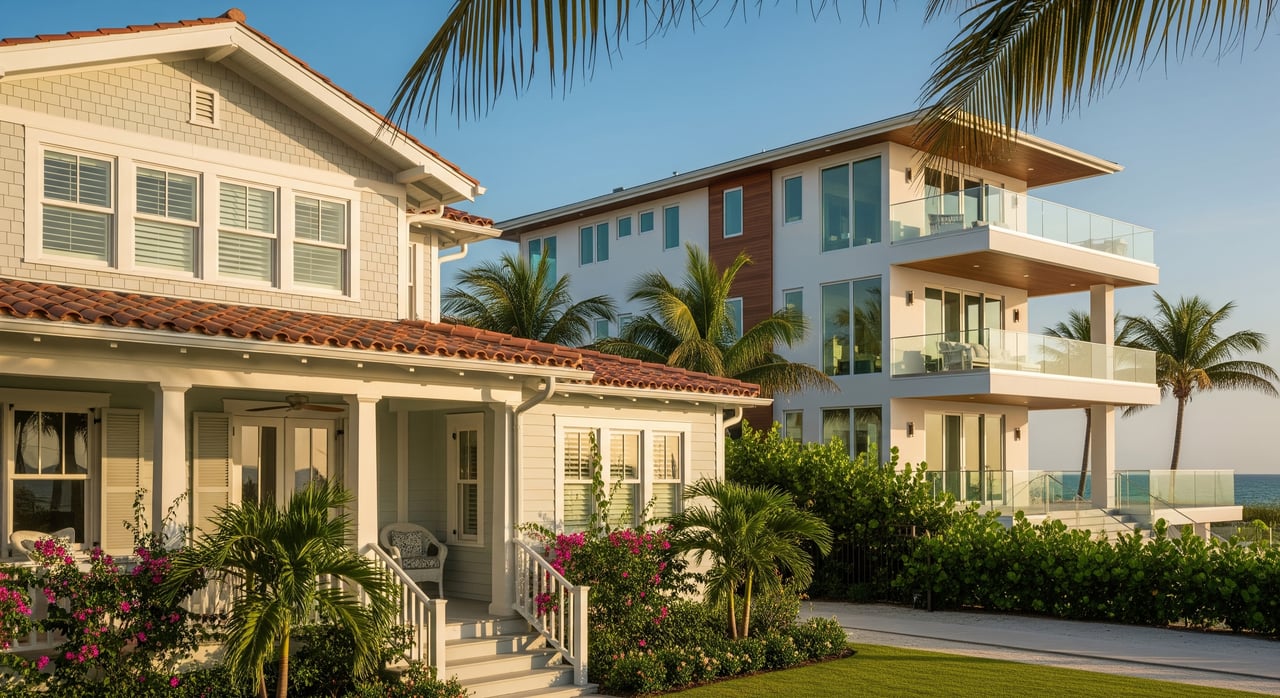
Should you buy a charming Lake Worth Beach bungalow or a shiny new build? It is a great problem to have, but the choice affects your lifestyle, maintenance, insurance, flood risk, and long-term costs. If you want walkable character near the water, bungalows call your name. If you want low upkeep and modern systems, new construction is hard to beat. In this guide, you will learn the trade-offs, the real costs to expect in Palm Beach County’s coastal climate, and a simple worksheet to compare homes side by side. Let’s dive in.
Lake Worth Beach at a glance
Lake Worth Beach sits in Palm Beach County within the West Palm Beach–Boca Raton metro. You will find a historic downtown, arts and entertainment, and older bungalow streets mixed with newer infill homes. Many buyers choose the city for coastal access, walkability, and price points that are often lower than some neighboring coastal areas. Parts of the city sit at low elevation near the Intracoastal and ocean, so flood risk and insurance belong in your decision.
If you are looking at specific neighborhoods, expect historic pockets around downtown and along Lantana Road, with a mix of mid-century and newer infill to the north and south. Some properties fall within local historic districts, so check rules before planning renovations with the City of Lake Worth Beach’s official site for planning and preservation guidance. Visit the City of Lake Worth Beach to start your research.
Bungalows vs. new builds: lifestyle trade-offs
Character and layout
- Bungalows
- What you will love: period details, front porches, original mills and wood floors, and streets that feel close to downtown energy. These homes offer personality and a sense of place.
- What to watch: smaller closets, fewer bathrooms, and less open floor plans. You may need to rework layouts to match how you live today.
- New builds
- What you will love: open plans, higher ceilings, large kitchens, modern bathrooms, and smart-home features. These homes are built to current buyer expectations.
- What to watch: newer infill can feel more uniform and may have smaller yards. If you crave historic detail, newer finishes can feel less distinctive.
Structure and systems
- Older bungalows can face roof age, hidden subfloor or joist issues, and termite risk. Outdated electrical, galvanized plumbing, and older HVAC are common in coastal Florida. Salt air can speed corrosion of metal hardware.
- New builds are designed to current Florida Building Code with impact features and wind resistance. Quality varies by builder, but you often get a builder warranty and fewer near-term capital projects.
Move-in readiness and warranty
- Bungalows often need kitchen and bath updates, plus system upgrades, to meet today’s standards. If a bungalow is already renovated, it will be priced for that condition.
- New builds usually deliver move-in convenience with fresh systems and warranties that reduce early repair spending.
Historic rules and designations
Some bungalows sit in historic districts. Exterior changes may need review or approval, and certain alterations can be restricted. This protects neighborhood character and can help resale, but it can also add time and cost to renovations. Interior system upgrades are usually feasible. Check local rules on the City of Lake Worth Beach site before you buy or plan work.
Hidden costs you should price now
Renovation scope and budgets
Common projects for older homes include kitchen and bath remodels, roof replacement, HVAC, electrical upgrades, and plumbing repipe. National references like the Remodeling Cost vs. Value report offer baseline ranges, but labor, hurricane-rated materials, and permitting in coastal South Florida can push costs higher. Always get multiple local contractor bids. For structural or termite repairs, costs vary with scope, so plan for contingencies.
Energy and utilities
New builds usually have better insulation, tighter building envelopes, impact-rated windows, and higher-efficiency HVAC. Older bungalows often have lower insulation and older equipment, which increases cooling loads. Efficiency upgrades such as air sealing, added insulation, high-efficiency windows, and modern HVAC can cut energy bills by a meaningful margin. According to ENERGY STAR, comprehensive upgrades can produce double-digit percentage savings depending on your starting point and measures.
Maintenance in a coastal climate
Salt air accelerates corrosion, and Florida’s humidity challenges roofs, paint, and mechanicals. Plan an annual reserve for maintenance and replacements.
- Older bungalow: budget roughly 2 to 4 percent of home value per year, higher if there is deferred maintenance.
- New build: budget roughly 0.5 to 1.5 percent of home value per year.
Also plan for termite monitoring, regular exterior maintenance, and eventual roof replacement based on material and age.
Insurance, flood, financing, and permits
Homeowners and wind insurance
Florida’s insurance market is dynamic. Older homes, older roofs, or homes without wind mitigation can face higher premiums or fewer private carrier options. The state’s insurance regulator offers consumer guidance on market conditions. Review the Florida Office of Insurance Regulation for context. If private coverage is not available, you may qualify for the state-backed insurer of last resort, Citizens Property Insurance Corporation. Wind mitigation inspections and newer roofs can reduce premiums. Ask for credits on roof covering, straps, secondary water resistance, and opening protection.
Flood zones and flood insurance
Lake Worth Beach includes areas in FEMA flood zones such as AE and VE. Lenders require flood insurance if the property triggers mandatory purchase requirements. Get a parcel-level flood determination early. The FEMA Flood Map Service Center lets you view maps and understand when an elevation certificate can help. You can compare NFIP and private flood quotes. Elevation, prior claims, and mitigation measures drive premiums, so do not estimate. Get quotes before you write your final offer.
Financing, appraisals, and inspections
Appraisers compare like-for-like comps and will check for safety and permit compliance. Older homes with significant deferred maintenance or uninsurable systems can create appraisal or loan hurdles. If renovations are part of your plan, consider options like a conventional loan paired with seller credits, or a renovation loan such as FHA 203(k) or Fannie Mae HomeStyle. Include a strong inspection period with specialists for roof, HVAC, termite, and flood elevation.
Permitting and historic review
Lake Worth Beach and Palm Beach County regulate structural, electrical, plumbing, and mechanical work. If the home is within a historic district, exterior changes may require design review. Plan for permit fees, timelines, and possible architectural or preservation review. Start with the city’s planning and permitting pages on the City of Lake Worth Beach site to confirm rules and check permit history.
Resale outlook and demand
What helps a bungalow hold value
- Location near downtown, beach, and amenities.
- Preserved original details paired with thoughtful modern updates.
- Documented system upgrades and maintenance records.
- Historic district stability can protect neighborhood character.
What helps a new build hold value
- Modern systems, impact features, and energy efficiency.
- Open plans, larger kitchens, and bathrooms that match buyer expectations.
- Builder warranties and low near-term maintenance.
In general, renovated bungalows in walkable micro-locations keep strong buyer interest, while poorly maintained older homes can lag. New builds tend to appeal to a broad buyer pool, including relocators and second-home buyers who want turnkey convenience.
Build your cost-of-ownership worksheet
Use this simple framework to compare any bungalow to any new build. Fill it with real quotes and property data. The goal is to compare total first-year cash plus ongoing costs over 5 and 10 years.
- One-time and upfront costs
- Purchase price
- Closing costs (estimate 2 to 5 percent of price based on your lender’s quote)
- Immediate repairs or renovations at move-in with contractor bids
- Inspection and specialist fees, including wind mitigation and elevation certificate if needed
- Permit and plan fees for any immediate work
- Impact fees if applicable for major additions
- First-year ownership costs
- Mortgage principal and interest
- Property taxes from the Palm Beach County Property Appraiser. Pull parcel data and tax history at the Palm Beach County Property Appraiser
- Homeowners insurance and wind coverage quotes
- Flood insurance quotes from NFIP and private carriers
- HOA or condo fees, if applicable
- Utilities: electricity, water and sewer, trash, internet
- Maintenance and repairs reserve
- Older bungalow: 2 to 4 percent of value
- New build: 0.5 to 1.5 percent of value
- Annualized reserve for major systems based on age and expected lifespan
- Pest and termite treatments
- Lawn and landscape care
- Multi-year lifecycle items
- Roof replacement reserve: cost divided by years until replacement
- HVAC replacement reserve based on expected lifespan
- Full repipe or major structural remediation if likely
- Major appliance replacements
- Decision metrics
- Total first-year cash needed: down payment, closing costs, immediate repairs, and first-year ownership costs
- Annual ongoing cost of ownership
- 5-year and 10-year totals using your annual figures plus lifecycle reserves
- Break-even on renovation spending: estimated value gain versus cost, based on local comps and appraiser input
- Practical assumptions
- Use local contractor bids. Coastal requirements and labor markets differ from national averages.
- Get flood, wind, and homeowners insurance quotes before finalizing your decision.
- Add time and soft costs if a major renovation requires temporary housing.
Your next steps in Lake Worth Beach
If you want a side-by-side plan tailored to your short list, including insurance quotes, flood review, and a complete cost-of-ownership worksheet, reach out to Evan Sophir for concierge, education-first guidance across Palm Beach County.
FAQs
How do insurance costs compare for bungalows vs. new builds in Lake Worth Beach?
- Older roofs and limited wind mitigation on bungalows can mean higher premiums or fewer private carrier options, while newer homes built to current code often qualify for better rates and credits, but always verify with multiple quotes including Citizens and private carriers.
What are typical renovation costs to update a Lake Worth Beach bungalow?
- Costs vary by scope and coastal requirements, but kitchens and baths are common five-figure projects, HVAC can run several thousand to low five figures, and roof replacement varies by material and wind rating, so collect multiple local bids and use national benchmarks as a reference.
Will a historic district limit what I can change on a bungalow?
- Exterior changes in designated areas may require review or approval, while most interior system upgrades are feasible, so confirm district status and rules with the city before planning work.
How much should I budget annually for maintenance on an older coastal home?
- A practical range is 2 to 4 percent of the home’s value each year for an older bungalow and about 0.5 to 1.5 percent for newer construction, plus reserves for roof, HVAC, termite, and exterior upkeep.
How do energy bills compare between older bungalows and new builds in South Florida?
- New builds typically have better insulation, tighter envelopes, and efficient HVAC, while retrofits on older homes can deliver double-digit percentage savings when you combine air sealing, insulation, high-efficiency windows, and modern HVAC.
Do appraisals and financing favor new construction in Palm Beach County?
- Appraisals depend on comparable sales and condition, and lenders look for safety and insurability, so older homes with deferred maintenance can face hurdles, but renovation loans like FHA 203(k) and Fannie Mae HomeStyle can bridge the gap when improvements are planned.