If you are deciding between downtown Stuart and the surrounding residential parts of Stuart, you are really choosing between two different daily rhythms. One puts you close to the riverfront, events, and short walks between stops. The other offers a more home-centered routine with easier access to parks, preserves, and neighborhood living. If you want to understand how those differences may shape your next move, this guide will help you compare the lifestyle tradeoffs clearly. Let’s dive in.
Downtown Stuart at a Glance
Downtown Stuart is the city’s historic commercial and civic center, set along the waterfront with a distinct small-town feel. The city describes it as a waterfront district with distinctive architecture and community character. That gives the area a compact, active feel that stands apart from the more residential parts of Stuart.
The downtown experience is also shaped by local events and gathering spaces. The Downtown Business Association highlights shopping, dining, the arts, and signature events like Rock’n Riverwalk, Stuart Stroll, Hobgoblins on Main Street, and Christmas on Main Street. If you want a place where public activity is part of everyday life, downtown is the clearest fit.
Suburban Stuart at a Glance
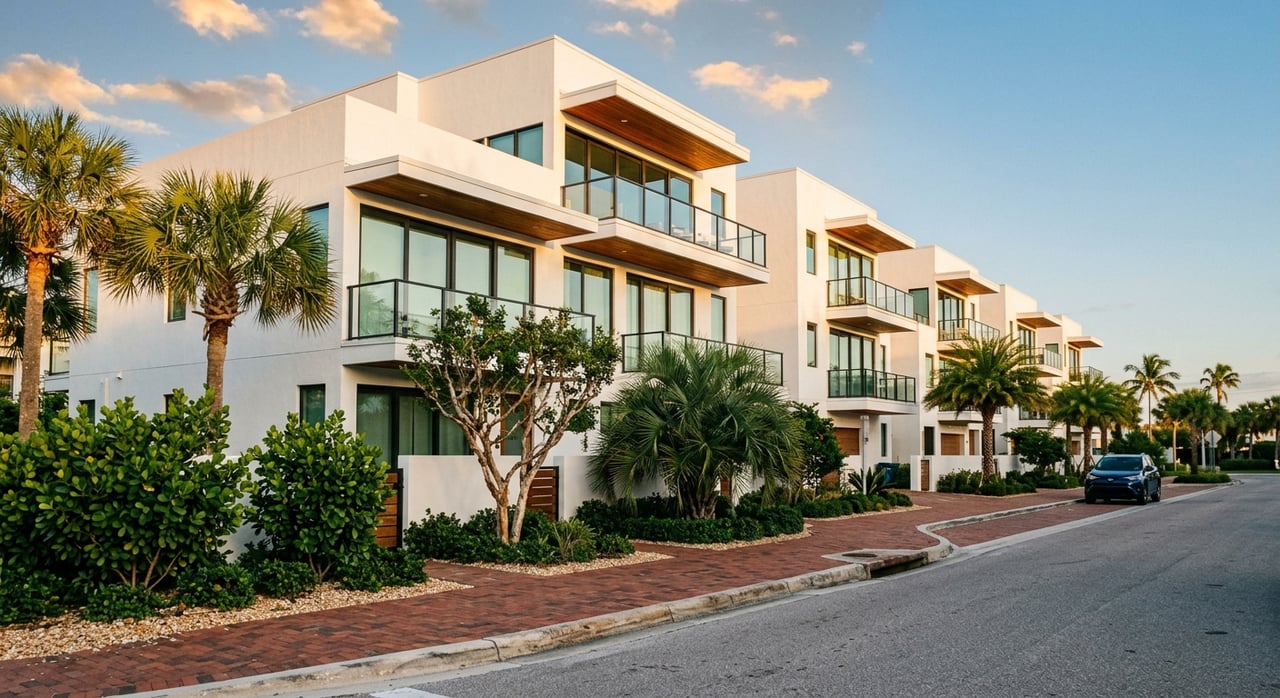
Outside Historic Downtown Stuart, the lifestyle shifts toward a more residential setting. City materials describe Stuart as including historic neighborhoods near downtown along with modern townhomes and condominiums, while East Stuart planning documents emphasize residential housing and a variety of housing options. In practical terms, the areas outside downtown feel more neighborhood-focused and less centered on storefronts.
That difference matters in your day-to-day routine. In suburban Stuart, home life tends to anchor the schedule more than restaurants, events, or a waterfront main street. If you prefer quieter residential surroundings and a less activity-driven environment, that may feel like a better match.
Housing Style and Neighborhood Pattern
Downtown housing feels older and more mixed
Downtown Stuart offers a layered housing mix with strong historic character. According to the city’s historic survey, residential buildings in the district have included single-family homes, apartments, boarding houses, and outbuildings built before 1960, with styles ranging from small bungalows to larger apartment houses. Over time, some former residences have also been converted to multi-family or commercial use.
That creates a more compact and mixed-use pattern. The historic district originally combined commercial, governmental, and waterfront residential uses, which still influences how the area feels today. If you are drawn to older architecture, a tighter street grid, and housing woven into a commercial core, downtown offers that setting.
Suburban housing feels more home-centered
Outside downtown, the housing pattern is generally more residential in feel. City materials point to modern townhomes, condominiums, and neighborhood-focused housing options beyond the historic core. Compared with downtown, these areas are better understood as places where residential use is the main feature rather than one part of a mixed-use environment.
For many buyers, that translates to a more conventional neighborhood experience. You may find that the surrounding parts of Stuart feel less compact and less vertically mixed than downtown. If you want a setting where homes are the main focus of the area, suburban Stuart is often the better fit.
Walkability and Daily Convenience
Downtown supports shorter trips on foot
Downtown Stuart is the part of the city most clearly designed around short walks and public circulation. The city’s wayfinding program was created to help visitors, especially pedestrians, navigate downtown businesses more easily. The downtown TRAM loop also connects places like City Hall, the Riverwalk, the Lyric Theatre, and public parking areas seven days a week.
That setup changes how everyday life can feel. In downtown, you may be able to park once, walk to coffee or lunch, stop by the riverfront, and move between destinations without getting back in the car. For buyers who value convenience and activity within a smaller footprint, that is a meaningful advantage.
Suburban routines are more drive-based
The more residential parts of Stuart usually support a different pattern. Because the city’s pedestrian-focused tools and circulation features are concentrated downtown, errands and outings outside the core are more likely to involve driving. That does not make suburban Stuart less appealing, but it does create a different pace.
If you like the idea of heading out by car for errands, dining, and recreation, the suburban rhythm may feel natural. Many buyers prefer that separation between home life and activity hubs. It can offer a quieter experience than living in the middle of the city’s most active district.
Waterfront Access and Outdoor Life
Downtown offers an everyday riverfront setting
One of downtown Stuart’s biggest draws is direct access to the waterfront. Riverwalk Park sits behind City Hall and includes a boardwalk over the St. Lucie River, docks, a stage, benches, picnic tables, and bike racks. The city also notes that visitors can dock by boat during the day for free and walk easily to nearby waterfront areas.
This creates a very specific kind of outdoor lifestyle. Downtown gives you an active public waterfront where the river is part of the daily backdrop, not just a weekend destination. Add recurring events like Rock’n Riverwalk, and the riverfront becomes part of the area’s social energy too.
Suburban Stuart connects you to larger natural areas
Suburban Stuart offers a different outdoor advantage. Martin County manages about 35,000 acres of environmentally sensitive lands, including Stuart locations like Halpatiokee Regional Park and Kiplinger Preserve. These places support hiking, biking, paddling, fishing, and trail-based recreation, along with public access points and riverfront areas.
If your ideal outdoor time looks more like trails, preserves, and paddling routes, the surrounding residential parts of Stuart may feel more aligned with your lifestyle. Downtown gives you immediate riverfront atmosphere. Suburban Stuart tends to give you easier access to larger natural spaces and broader recreation options.
Which Lifestyle Fits You Best?
Choosing between downtown Stuart and suburban Stuart often comes down to how you want your days to flow. Neither option is better across the board. The right fit depends on what you want close to home and what kind of environment helps you feel most comfortable.
Downtown may fit you best if you want:
- A historic setting with distinctive architecture
- Walkable access to dining, events, and the riverfront
- A more compact, activity-oriented lifestyle
- Housing in a mixed-use area with older character
Suburban Stuart may fit you best if you want:
- A more residential, neighborhood-centered environment
- A daily routine that feels quieter and more home-focused
- Easier access to preserves, parks, and trail recreation
- Housing in areas that feel less commercial and more conventional
Why This Choice Matters for Buyers
Lifestyle fit is not a small detail in a home search. It shapes how you spend your mornings, weekends, and evenings, along with how often you drive, walk, or spend time outdoors. In a place like Stuart, where the downtown core and surrounding neighborhoods offer clearly different experiences, understanding that distinction can help you narrow your search faster.
This is especially important if you are relocating or buying for a lifestyle change. You may love Stuart as a whole but still need to decide whether you want the energy of the historic waterfront core or the steadier pace of a residential neighborhood. The better you define that now, the more confident your next move can be.
If you are weighing downtown Stuart against the surrounding residential areas, the key is to match the home search to the life you actually want to live. Whether you want a walkable waterfront routine or a quieter neighborhood feel with easy access to outdoor spaces, working with a local guide can make that decision much clearer. When you are ready to talk through your options in Stuart and across the Treasure Coast, connect with Evan Sophir.
FAQs
What is the main lifestyle difference between downtown Stuart and suburban Stuart?
- Downtown Stuart is more walkable, historic, and event-oriented, while suburban Stuart is more residential, home-centered, and typically more drive-based.
What types of homes are common in downtown Stuart?
- Downtown Stuart includes a mix of older single-family homes, apartments, boarding houses, and buildings that have been adapted over time for multi-family or commercial use.
What types of homes are common in suburban Stuart?
- The residential areas outside downtown are generally associated with neighborhood-focused housing, including modern townhomes, condominiums, and other more conventional residential options.
Is downtown Stuart more walkable than suburban Stuart?
- Yes. Downtown Stuart has pedestrian wayfinding, a downtown TRAM loop, and a layout that supports walking between businesses, parking areas, and the waterfront.
How does waterfront access differ in downtown Stuart and suburban Stuart?
- Downtown Stuart offers direct access to the Riverwalk, docks, and public waterfront activity, while suburban Stuart is more closely tied to preserves, trails, paddling routes, and larger outdoor spaces.
Who may prefer downtown Stuart over suburban Stuart?
- Buyers who want a compact historic setting, regular local events, and a lifestyle built around short walks and riverfront access may prefer downtown Stuart.
Who may prefer suburban Stuart over downtown Stuart?
- Buyers who want a quieter residential routine, a more home-centered setting, and easier access to parks and preserves may prefer suburban Stuart.