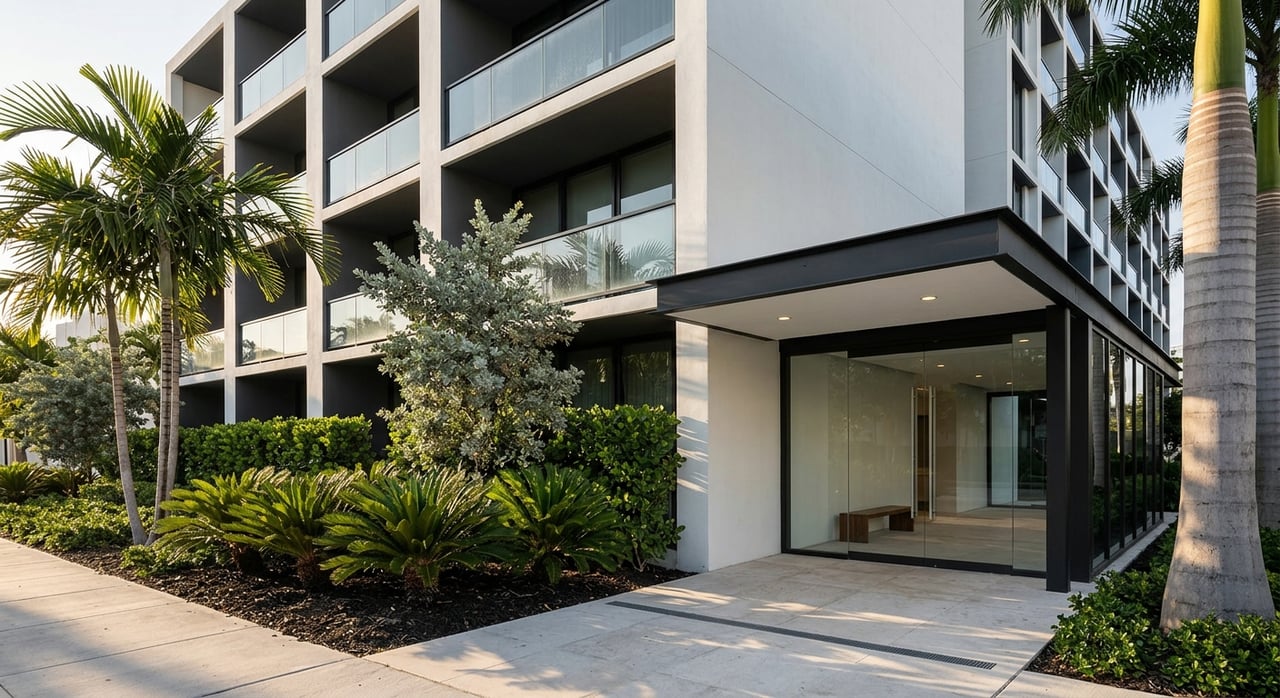
If you are trying to choose between Downtown Delray and West Delray, you are really choosing between two different ways of living. One puts you close to Atlantic Avenue, the beach, and a more walkable daily routine. The other often gives you more space, more community amenities, and easier highway access. This guide will help you compare lifestyle, housing, costs, and practical tradeoffs so you can decide which side of Delray Beach fits you best. Let’s dive in.
How Downtown and West Delray Differ
For this comparison, Downtown Delray is best understood as the city’s central area around Atlantic Avenue, including the Central Business District and Urban Core identified by the City of Delray Beach. The city describes this area as a place where historic and cultural character is preserved while supporting activity and growth. You can review the city’s definition of the Central Business District and the Urban Core project area.
West Delray is not a formally separate district in the same way. In most market conversations, it refers to the western Delray Beach area, especially around ZIP code 33446. That matters because when you compare these areas, you are comparing not just neighborhoods, but also different housing types, commuting patterns, and day-to-day routines.
Downtown Delray Lifestyle
Downtown Delray is where you go if you want the city experience that many people picture first. This area is closely tied to Atlantic Avenue, public parking options, city services aimed at the downtown corridor, and easy access to Delray Municipal Beach. The city’s Clean & Safe Division is focused on the Downtown Delray and Atlantic Avenue area, which shows how active and highly managed this part of the city is.
A big part of downtown appeal is convenience. You may be able to walk to dining, events, and the beach more easily here than in other parts of Delray. The city’s planning efforts, including the Walk + Bike Delray Beach plan, also support a more connected and pedestrian-friendly environment.
The beach is also part of the downtown story. Delray Municipal Beach sits at the east end of Atlantic Avenue, and the city has highlighted the beach’s Blue Flag designation as a marker connected to safety, accessibility, environmental management, and services. If being close to the water is a major priority, that east-side location can carry real value in your search.
What Downtown Often Feels Like
Downtown Delray may be a fit if you want:
- A more walkable routine
- Easier access to Atlantic Avenue dining and events
- Closer proximity to the beach
- A more urban, active setting
- Housing options like condos, townhomes, and smaller-lot residences
The tradeoff is that convenience often comes with more traffic, more visitors, and more parking management.
West Delray Lifestyle
West Delray tends to offer a different rhythm. Instead of a downtown core, you often find planned communities, gated entries, larger homesites, and amenity packages that shape daily life. In recent 33446 listing examples, communities were described with features such as clubhouses, security gates, lawn care, and resort-style amenities.
These examples do not define every west Delray property, but they do point to a broader pattern. West Delray often appeals to buyers who want more space, a neighborhood setting built around community amenities, and homes that are less tied to the downtown street grid.
What West Delray Often Feels Like
West Delray may be a fit if you want:
- More space inside and outside the home
- A single-family home in a planned community
- Gated entries or amenity-rich neighborhoods
- A more car-oriented routine
- Easier access to major roadways like the Turnpike
For many buyers, the tradeoff is simple. You may gain space and amenities, but you will usually drive more often to reach Atlantic Avenue or the beach.
Traffic and Commute Considerations
Lifestyle is only part of the decision. How you move through the area matters too.
Downtown Delray offers close-in convenience, but it also deals with congestion tied to events, visitors, and the popularity of Atlantic Avenue. The city’s Urban Core project specifically calls for mobility planning to reduce traffic congestion, improve pedestrian safety, and support circulation in the downtown core.
West Delray generally works better for buyers who expect to drive regularly or need regional access. Listing examples in 33446 have highlighted quick access to the Turnpike and a drive of about 15 minutes to Downtown Delray and the beach. That suggests a more car-dependent lifestyle, but it may feel easier if your routine includes commuting around South Florida.
At the city level, Delray Beach reports a mean travel time to work of 23.0 minutes. That figure is citywide, not neighborhood-specific, but it helps frame the broader commute picture.
Housing Types and Price Trends
One of the clearest differences between Downtown Delray and West Delray is the housing stock.
Downtown-adjacent inventory often leans toward condos, townhomes, and smaller-lot homes close to Atlantic Avenue and the beach. West Delray more often leans toward single-family homes in planned communities, sometimes with larger lots and more amenities. In short, your housing preference may narrow your search quickly.
Market data also points to a meaningful east-west price difference. In February 2026, ZIP code 33444 had a median sale price of $743,000, up 17.0% year over year, with homes selling in about 81 days. In contrast, ZIP code 33446 had a median sale price of $353,000, down 3.4% year over year, with homes selling in about 89 days.
These ZIP codes are not perfect stand-ins for downtown and west Delray boundaries, but they are helpful directional indicators. They support what many buyers already suspect: proximity to Atlantic Avenue, the beach, and the downtown lifestyle often comes with a higher price point.
Quick Comparison
| Factor |
Downtown Delray |
West Delray |
| Daily lifestyle |
More walkable and event-driven |
More car-oriented and amenity-centered |
| Typical housing |
Condos, townhomes, smaller-lot homes |
Single-family homes, planned communities |
| Beach access |
Closer |
Usually a drive |
| Atlantic Avenue access |
Close |
Usually a drive |
| Traffic pattern |
More visitor and event traffic |
More highway-oriented access |
| Pricing signal |
Higher in east-side proxy ZIPs |
Lower in west-side proxy ZIPs |
HOA and Condo Rules Matter
When you compare these areas, do not stop at price or square footage. Ownership structure can shape your monthly costs and long-term responsibilities.
Downtown buyers are more likely to run into condominium associations, while west Delray buyers are more likely to see homeowners’ associations tied to single-family communities. In Florida, condos are generally governed under Chapter 718, while HOAs are generally governed under Chapter 720.
For condo buyers, due diligence is especially important. The Florida Department of Business and Professional Regulation states that structural inspection reports and reserve studies are part of a condo association’s official records and must be available to potential buyers. Its condominium FAQ guidance also explains the importance of milestone inspections and Structural Integrity Reserve Studies under current law for certain buildings.
That means if you are looking downtown, you should pay close attention to:
- Reserve funding
- Special assessments
- Insurance costs
- Inspection history
- Building rules and restrictions
West Delray HOA communities can still carry significant monthly dues. In recent examples, HOA fees in 33446 included $737 per month in Seven Bridges and $793 per month in Valencia Falls. Those fees may support services like gates, clubhouses, security, lawn care, and common-area maintenance, but they still need to fit your budget and lifestyle.
Which Area Fits You Best?
If you want a more walkable, beach-adjacent lifestyle and you value being near Atlantic Avenue, Downtown Delray may be the better fit. You may pay more for that location, and you may need to be comfortable with condo rules, parking considerations, and heavier activity in the core.
If you want more space, newer community features, and a neighborhood that feels more residential and planned, West Delray may make more sense. You will likely drive more, but you may gain larger homes, gated settings, and amenity-rich communities that support a different kind of daily routine.
The best choice usually comes down to how you want to live, not just where you want to buy. If you want help comparing options, narrowing your search, or understanding the real cost of condos versus HOA communities in Delray Beach, Evan Sophir can guide you with clear market insight and concierge-level support.
FAQs
What is considered Downtown Delray in Delray Beach?
- For this comparison, Downtown Delray refers to the Central Business District and Urban Core around Atlantic Avenue as identified by the City of Delray Beach.
Is West Delray a formal neighborhood in Delray Beach?
- West Delray is generally used as a market term for western Delray Beach, especially around ZIP code 33446, rather than a formally separate city district.
Is Downtown Delray more expensive than West Delray?
- Current ZIP-code market snapshots suggest that east-side areas tied more closely to downtown have higher median sale prices than west Delray proxy areas like 33446.
Are homes in West Delray mostly in HOA communities?
- Many west Delray examples point to planned communities with HOA fees and amenities, though not every property in the area follows the same model.
What should condo buyers review in Downtown Delray?
- Downtown condo buyers should closely review reserve studies, structural inspection records, special assessments, insurance, and building rules before moving forward.
Is Downtown Delray easier to live in without driving everywhere?
- Downtown Delray generally supports a more walkable lifestyle because of its proximity to Atlantic Avenue, public parking, events, and the beach.